
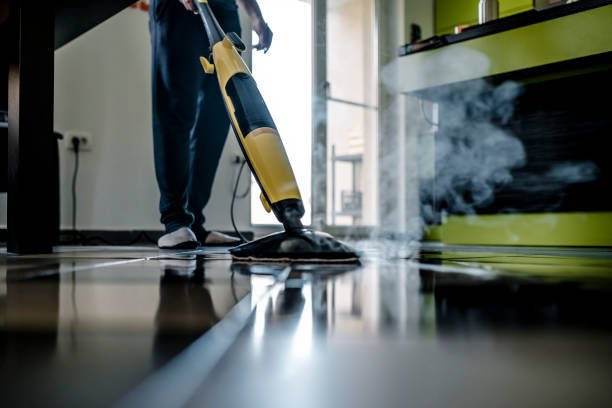
In the realm of floor cleaning, the advent of steam mops has revolutionized the way we approach the task. Harnessing the power of steam, these innovative devices offer a chemical-free and efficient solution for maintaining spotless floors. In this guide, we’ll delve into the art of cleaning floors using a steam mop, exploring its benefits and providing step-by-step instructions to ensure you get the most out of this powerful cleaning tool.
The Benefits of Using a Steam Mop:
- Chemical-free cleaning: Steam mops use only water, making them an eco-friendly and non-toxic option for floor cleaning.
- Sanitization: The high temperatures produced by steam mops effectively kill many types of bacteria and germs.
- Versatility: Suitable for various flooring types, including tile, hardwood, laminate, and sealed surfaces.
- Quick drying: The minimal water usage means floors dry faster compared to traditional mopping methods.
Getting Started:
- Read the Manual:
- Familiarize yourself with the manufacturer’s instructions for your specific steam mop model.
- Understand any specific requirements or limitations related to your flooring type.
- Prepare the Area:
- Clear the floor of any obstacles or loose items that could hinder the steam mop’s movement.
- Vacuum or sweep the floor to remove loose dirt and debris.
- Fill the Water Tank:
- Use distilled water to prevent mineral buildup.
- Follow the manufacturer’s guidelines for the appropriate water level.
Floor-Specific Steam Mopping Techniques:
- Tile Floors:
- Prep: Sweep or vacuum to remove loose dirt.
- Steam Mop: Glide the steam mop over the tile, ensuring thorough coverage.
- Grout Attention: Concentrate steam on grout lines to dislodge dirt and stains.
- Hardwood Floors:
- Prep: Ensure the steam mop is suitable for hardwood floors.
- Steam Mop: Keep the mop moving at a steady pace to avoid excessive moisture.
- Quick Passes: Minimize the time the hardwood is exposed to steam to prevent damage.
- Laminate Floors:
- Prep: Remove loose dirt with a soft broom or vacuum.
- Steam Mop: Use a low steam setting to prevent moisture damage.
- Dry Quickly: Wipe the floor with a dry microfiber cloth to speed up the drying process.
- Carpeted Floors:
- Prep: Vacuum thoroughly to remove loose dirt.
- Steam Mop Attachment: Some steam mops come with carpet glider attachments; follow manufacturer instructions.
- Spot Treatment: Concentrate steam on stains for effective removal.
Best Practices for Efficient Steam Mopping:
- Overlap Strokes:
- Ensure complete coverage by overlapping each pass slightly.
- Adjust Steam Settings:
- Modify steam intensity based on the flooring type and level of dirt.
- Use Microfiber Pads:
- Opt for washable, reusable microfiber pads to capture dirt effectively.
- Regular Maintenance:
- Clean the steam mop regularly to prevent mineral buildup.
- Replace or wash microfiber pads as needed.
Addressing Common Concerns:
- Streaks or Residue:
- Use distilled water to minimize mineral residues.
- Adjust steam settings to prevent excessive moisture.
- Drying Time:
- Enhance drying by ventilating the room or using fans.
- Wipe the floor with a dry microfiber cloth for a quicker drying process.
Conclusion:
Embracing the power of steam for floor cleaning offers a sustainable, chemical-free, and efficient solution. By following these step-by-step guidelines and incorporating best practices, you’ll not only master the art of steam mopping but also enjoy the benefits of a hygienic and sparkling clean home. Say goodbye to chemical cleaners and hello to the future of floor maintenance with the transformative capabilities of a steam mop.